SHARING OF KNOWLEDGE, INSPIRING DISCOVERY
Submit Manuscript Join as Reviewer & Editor
 MON 08, 2025
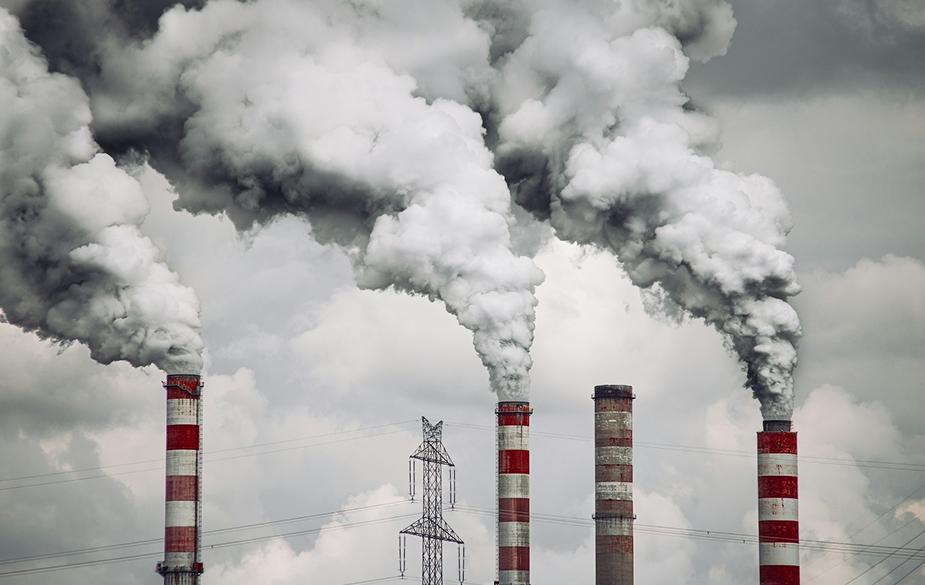
Air pollution surges in major cities from industry and vehicle emissions
Air pollution has become one of the most pressing challenges in major cities worldwide. Industrial activities and vehicle emissions release vast amounts of pollutants into the air, adversely affecting public health and the environment. Higher education in environmental science, urban planning, and public health equips students with the knowledge and skills to understand these complex issues and design effective solutions.
Through specialized higher study programs, students learn to analyze air quality data, assess sources of pollution, and evaluate mitigation strategies. Advanced research in this field not only contributes to policy-making but also develops practical skills for sustainable urban management. Exposure to international research and case studies helps students adopt innovative approaches to combat pollution.
Pursuing higher study in this domain also fosters critical thinking, problem-solving, and project management abilities. Students engage with real-world challenges, collaborate with experts, and gain experience in implementing policies and technologies that improve urban air quality. These competencies are crucial for developing environmentally responsible solutions and promoting healthier cities.
- Study air pollution sources in urban environments.
- Learn data analysis and environmental monitoring.
- Develop strategies for sustainable urban planning.
- Understand policy-making and environmental regulations.
- Gain research and problem-solving skills.
- Collaborate with experts and international institutions.
- Promote
“Higher study in environmental science empowers students to tackle urban air pollution effectively. By combining research, innovation, and policy understanding, learners gain the tools to improve public health, design sustainable cities, and create lasting environmental impact. Education transforms knowledge into action for cleaner, healthier, and resilient urban communities.”
healthier cities and environmental awareness.
Ultimately, higher education empowers students to address pressing environmental issues, create awareness, and advocate for sustainable practices. By bridging academic knowledge with practical application, graduates become agents of change capable of improving both public health and environmental resilience in rapidly urbanizing societies.
Students pursuing higher study in environmental science or public health also explore the social and economic impacts of air pollution. They learn how poor air quality disproportionately affects vulnerable communities, including children, the elderly, and low-income populations. By understanding these dynamics, graduates can advocate for equitable policies that protect public health and ensure sustainable urban development.
Furthermore, higher education encourages innovation in pollution control technologies. Students engage in projects involving renewable energy, emission reduction techniques, and smart city planning. These hands-on experiences equip them with practical skills to implement real-world solutions, bridging the gap between academic research and actionable strategies for cleaner, healthier urban environments.
Share Now: