
SHARING OF KNOWLEDGE, INSPIRING DISCOVERY
Submit Manuscript Join as Reviewer & Editor
 SAT 09, 2025
COVID-19 Pandemic Understanding the Virus, Its Impact, and Prevention Measures
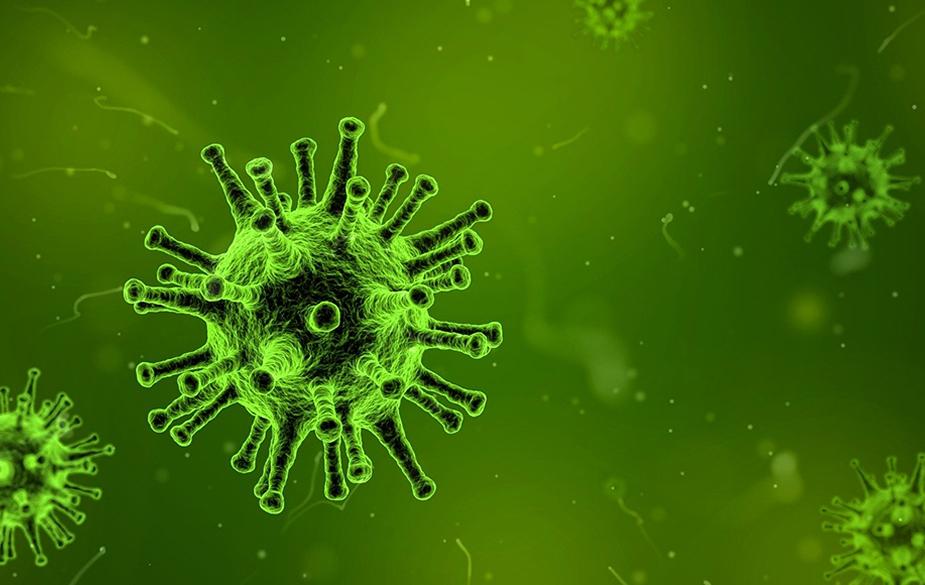
COVID-19 is a highly contagious respiratory illness caused by the SARS-CoV-2 virus, first identified in late 2019. It spreads primarily through respiratory droplets released when an infected person coughs, sneezes, talks, or breathes. In addition, the virus can survive on surfaces for a period, making hand hygiene and surface cleaning important preventive measures. The disease affects people differently: some experience mild or no symptoms, while others develop severe complications such as pneumonia, acute respiratory distress, or multi-organ failure. Vulnerable populations, including the elderly, individuals with pre-existing medical conditions, and those with weakened immune systems, are at higher risk. Early detection, isolation, and proper care can significantly reduce transmission and improve recovery. Vaccination campaigns worldwide have proven effective in reducing severe illness and deaths. Preventive measures such as mask-wearing, social distancing, and avoiding crowded spaces remain essential, especially in areas with high transmission rates. Understanding the virus, recognizing symptoms early, and practicing responsible behavior are key to controlling its spread and protecting both individual and community health.
- Transmission: Through respiratory droplets, close contact, and contaminated surfaces.
- Symptoms: Fever, cough, fatigue, difficulty breathing, and loss of taste or smell.
- Incubation Period: Typically 2–14 days after exposure.
- Prevention: Hand
"COVID-19 is a powerful reminder that microscopic pathogens can disrupt entire societies. Awareness, careful hygiene, mask-wearing, vaccination, and social responsibility are our strongest defenses against its spread, protecting both individuals and the global community from serious health consequences."
hygiene, masks, social distancing, vaccination, and avoiding gatherings.
- Treatment: Supportive care, oxygen therapy, antivirals in severe cases, and hospital care when needed.
- Global Impact: Strained healthcare systems, economic disruptions, and changes in daily life worldwide.
COVID-19 is a contagious respiratory illness caused by the SARS-CoV-2 virus. It spreads through respiratory droplets and close contact. Symptoms range from mild fever and cough to severe breathing difficulties. Vaccination, masks, hand hygiene, and social distancing are essential for prevention. Early detection and supportive care improve recovery and reduce transmission. COVID-19 is a highly infectious disease caused by the SARS-CoV-2 virus. It spreads through droplets when an infected person coughs, sneezes, or talks. Symptoms vary from mild fever and cough to severe respiratory distress. Vulnerable individuals, such as the elderly or immunocompromised, are at higher risk of serious illness. Vaccination, masks, and hand hygiene are key preventive measures. Social distancing and avoiding crowded spaces reduce transmission. Timely testing and isolation help control outbreaks. Public awareness, responsible behavior, and global cooperation are essential to overcome the pandemic.
Share Now: