
SHARING OF KNOWLEDGE, INSPIRING DISCOVERY
Submit Manuscript Join as Reviewer & Editor
 SAT 09, 2025
Human Viruses: Infection, Symptoms, and Prevention
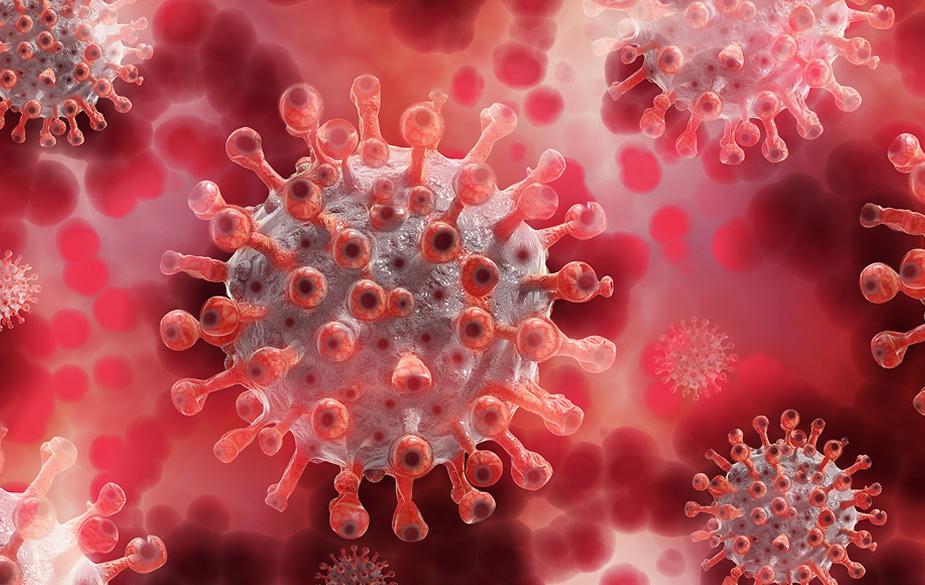
Viruses are extremely tiny microorganisms—not cells—that replicate by entering the cells of other living beings. In humans, viruses can spread through respiratory droplets, bodily fluids, or blood. Each virus behaves differently, with unique infection routes and severity. Most viral infections cause mild to moderate symptoms—such as fever, cough, sore throat, and fatigue—but some can lead to serious complications, especially in elderly or immunocompromised individuals. Here are six important points about human viruses:
- Transmission: Viruses can spread via air, direct contact, or contaminated surfaces.
- Symptoms: Common symptoms include fever, cough, fatigue, body aches, and digestive issues.
- Incubation Period: The time between exposure and symptom onset varies by virus.
- Prevention: Regular handwashing, masks, and avoiding crowded areas help reduce risk.
- Vaccination: Immunization is a critical tool for preventing many viral infections.
- Treatment: Most viral infections resolve on their own; supportive care and antiviral medications are used when necessary.
Understanding viruses, practicing hygiene, and staying aware are key to minimizing their impact on human health. Viruses are microscopic infectious agents that cannot survive or reproduce on their own; they rely
"Viruses are invisible yet powerful agents that can quietly spread through populations, affecting human health in countless ways. Awareness, careful hygiene, and informed action are our strongest shields against their unpredictable impact on individuals and communities alike."
entirely on the cells of living organisms to replicate. In humans, viruses can infect almost any part of the body, including the respiratory system, digestive tract, and bloodstream. They are highly diverse: some cause mild symptoms like fever, cough, or fatigue, while others can lead to serious illnesses, particularly in vulnerable populations such as the elderly, children, or those with weakened immune systems. Human viruses spread through a variety of routes, including airborne droplets, direct contact, contaminated surfaces, and bodily fluids. Prevention strategies such as proper hand hygiene, wearing masks, avoiding crowded spaces, and vaccinations are crucial in controlling viral spread. While many viral infections resolve naturally, supportive care and, in some cases, antiviral medications may be necessary. Understanding how viruses work, recognizing symptoms early, and maintaining preventive habits are essential for protecting both individual and public health.
Share Now: