
SHARING OF KNOWLEDGE, INSPIRING DISCOVERY
Submit Manuscript Join as Reviewer & Editor
 SAT 09, 2025
Younger Plants Growth, Care, Environmental Impact, and Techniques to Ensure Healthy Development in Nature
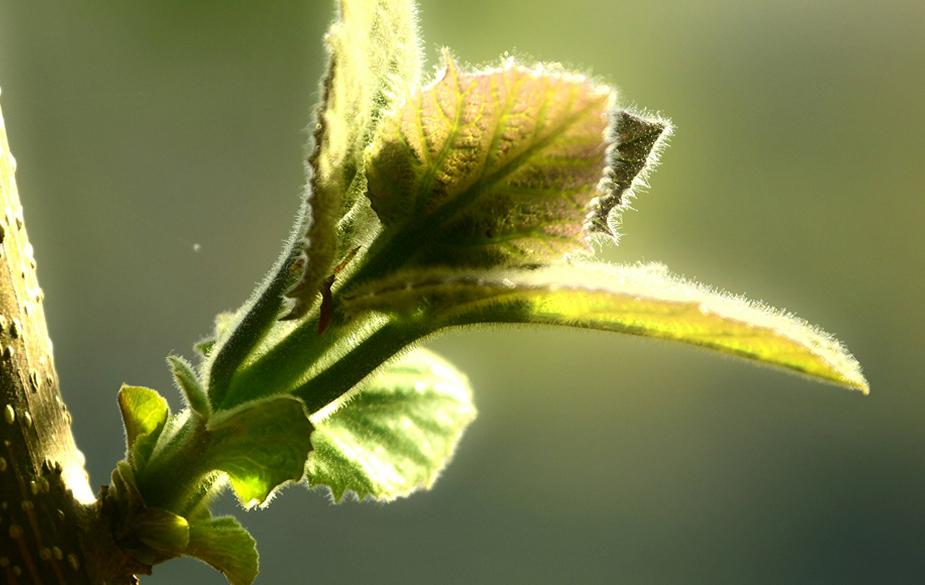
Younger plants are seedlings or juvenile plants in the early stages of growth. They require proper care, nutrients, and environmental conditions to develop into healthy, mature plants. These young plants are crucial for sustaining ecosystems, agriculture, and reforestation efforts. Ensuring their growth involves monitoring water levels, sunlight exposure, soil quality, and protection from pests and diseases. Urban gardening and forestry programs often focus on nurturing younger plants to support biodiversity, improve air quality, and combat climate change. Scientific research and agricultural practices continuously explore techniques to optimize plant growth and survival. By caring for younger plants, humans not only ensure food security but also preserve habitats for countless species.
- Growth Stage: Early seedling to juvenile phase.
- Care Requirements: Watering, sunlight, and soil nutrients.
- Protection: Guard against pests, diseases, and harsh weather.
- Environmental Role: Provide oxygen, food, and habitat.
- Agricultural Importance: Foundation of crops and forests.
- Sustainability: Supports biodiversity and ecological balance.
Younger plants represent the early stages of a plant’s life cycle, including seeds, seedlings, and juvenile plants.They are extremely sensitive to environmental conditions such as sunlight, water availability, soil fertility, and temperature. Proper care
"Young plants are the foundation of ecosystems, providing oxygen, food, and shelter. Proper care, sunlight, water, and soil management ensures they thrive, contributing to biodiversity, climate regulation, and the long-term health of our planet."
during this stage is critical to ensure their survival and growth into strong, mature plants. Young plants play an important role in maintaining biodiversity, producing oxygen, and forming the base of food chains in natural ecosystems. In agriculture and horticulture, nurturing young plants guarantees higher yields and healthier crops, while in forestry and reforestation, it supports long-term ecological restoration. Protection from pests, diseases, and extreme weather is essential during these formative stages.
Techniques like mulching, fertilization, controlled watering, and shade management improve plant resilience. Educational programs and community gardening initiatives also emphasize the importance of young plants in sustaining urban green spaces. Overall, investing time and resources in younger plants is not just about plant survival—it’s about supporting ecosystem services, improving air quality, combating climate change, and securing food and natural resources for future generations.
Share Now: